
Hearing Care

http://hnb.esimplifiedinc.com/wp-content/uploads/2023/09/v-1.jpg
http://hnb.esimplifiedinc.com/wp-content/uploads/2023/09/v-2.jpg
http://hnb.esimplifiedinc.com/wp-content/uploads/2023/09/v-3.jpg
http://hnb.esimplifiedinc.com/wp-content/uploads/2023/09/v-4.jpg

Causes of Hearing Loss

There are 3 basic types of hearing loss: sensorineural, conductive and mixed

Sensorineural Hearing Loss – results from damage to the inner ear or hearing nerve (cochlea). Causes of sensorineural hearing loss include:

  • Aging – gradual age-related hearing loss called presbycusis
  • Prolonged exposure to loud noises
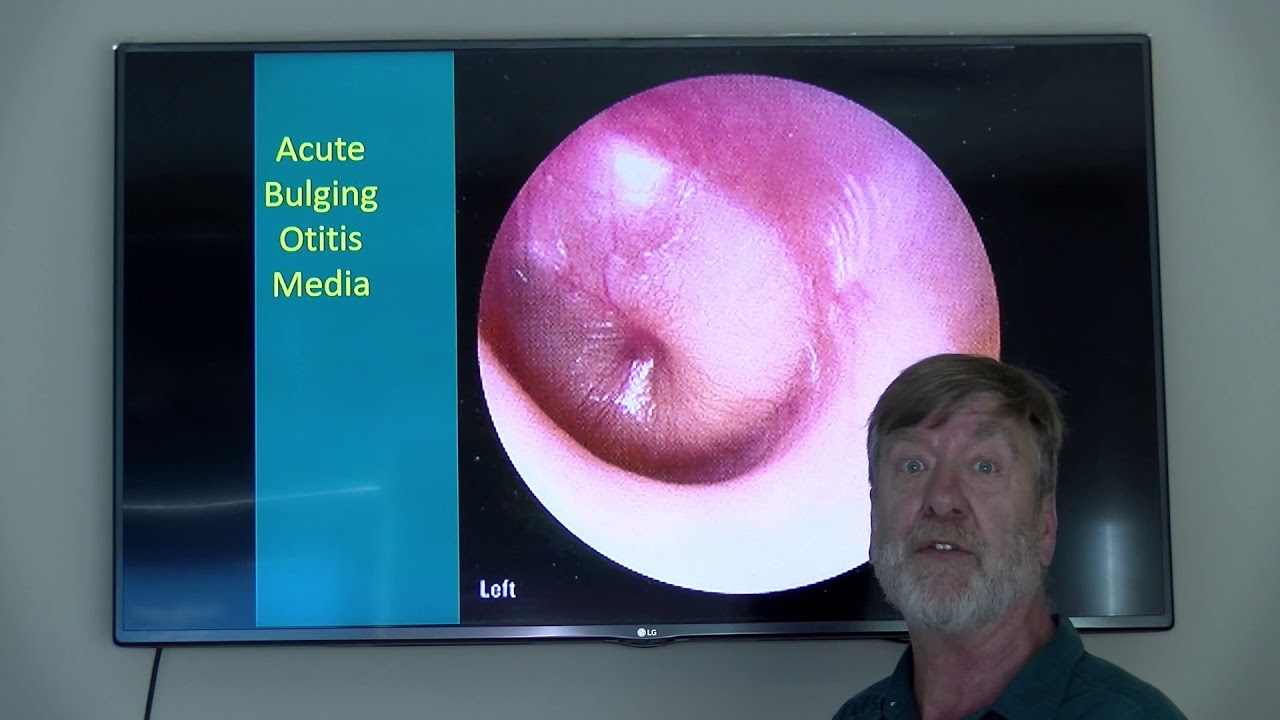
  • Viral or bacterial infections of the ear
  • Certain medications and antibiotics
  • Meniere’s Disease
  • Acoustic Neuroma  – a tumor which is located in the ear
  • Hereditary factors

Mixed Hearing Loss – occurs when there is a combination of both sensorineural and conductive issues, when both the middle ear and inner ear are affected.

Conductive Hearing Loss – occurs when sound is not conducted efficiently through the ear canal, ear drum or middle ear Causes of conductive hearing loss include:
  • Infection of the ear canal or middle ear
  • Fluid in the middle ear
  • Perforation or scarring of the eardrum
  • Wax build-up
  • Dislocation of the ossicles (the three middle-ear bones)
  • Foreign objects in the ear canal
  • Otosclerosis – an abnormal growth of bone near the middle ear
  • Unusual growths, tumors
http://hnb.esimplifiedinc.com/wp-content/uploads/2023/09/inner_image_08.jpg

Click to enlarge

http://hnb.esimplifiedinc.com/wp-content/uploads/2023/09/inner_image_08-1.jpg

Symptoms of Hearing Loss

Because it happens gradually, hearing loss often goes unnoticed. Denial is a common occurrence. Here are some common signs of hearing loss:
  • speaking louder than necessary in conversation
  • constantly asking for words to be repeated
  • straining to hear
  • misunderstanding conversations, especially in noisy situations
  • favouring one ear
  • thinking that people always mumble
  • turning the television or radio up louder than usual
  • having difficulty hearing on the telephone
  • withdrawing from social contact
  • ringing or buzzing in one or both ears
  • appearing dull and disinterested, slow to respond, or passive and detached

The impact of hearing loss on older adults

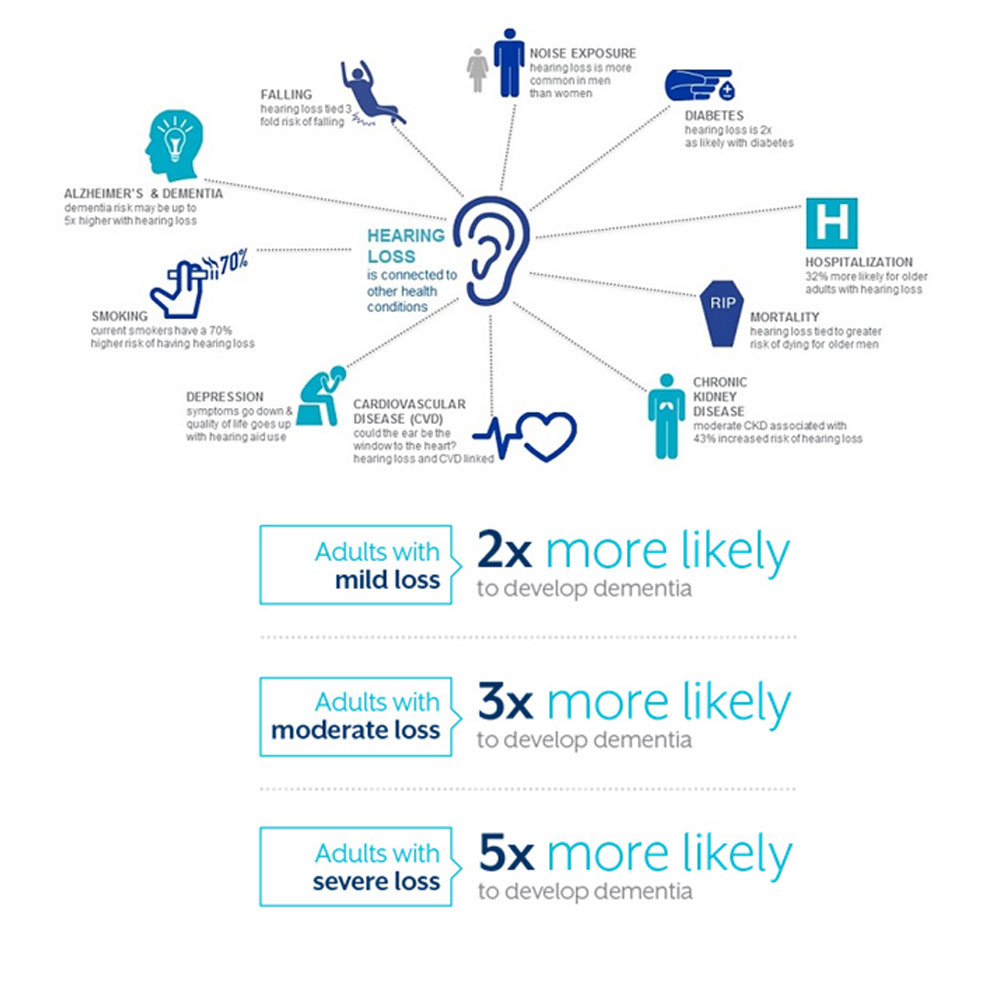
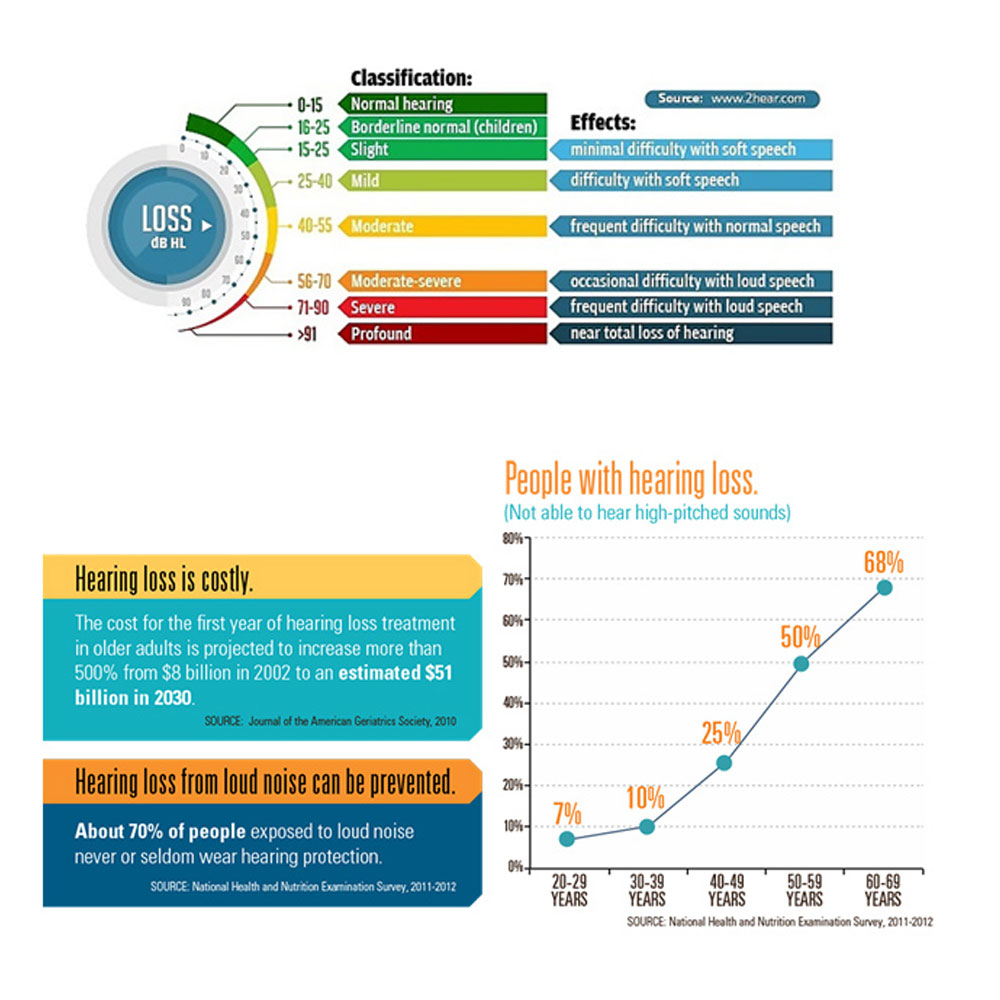
  • With unmanaged hearing loss, older adults may become withdrawn and socially isolated which can lead to the breakdown of support networks and the risk of depression.
  • Older adults with unmanaged hearing loss are at an increased risk of cognitive decline and developing Alzheimer’s disease and other forms of dementia. However, there is encouraging evidence that hearing assistance, such as a hearing aid, can improve the lives of even those with significant dementia.
  • Research has revealed that there is a greater risk of falling with hearing loss, and the risk of falling increases with the severity of the hearing loss.
  • 90% of people with hearing loss can improve communication with a properly fitted hearing aid, counselling or environmental changes.

If you are experiencing any of these signs of hearing loss, it is important to obtain a hearing test and proper treatment when necessary.